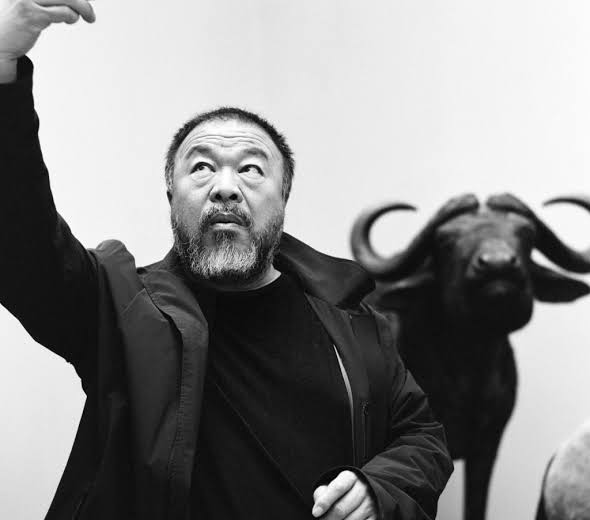
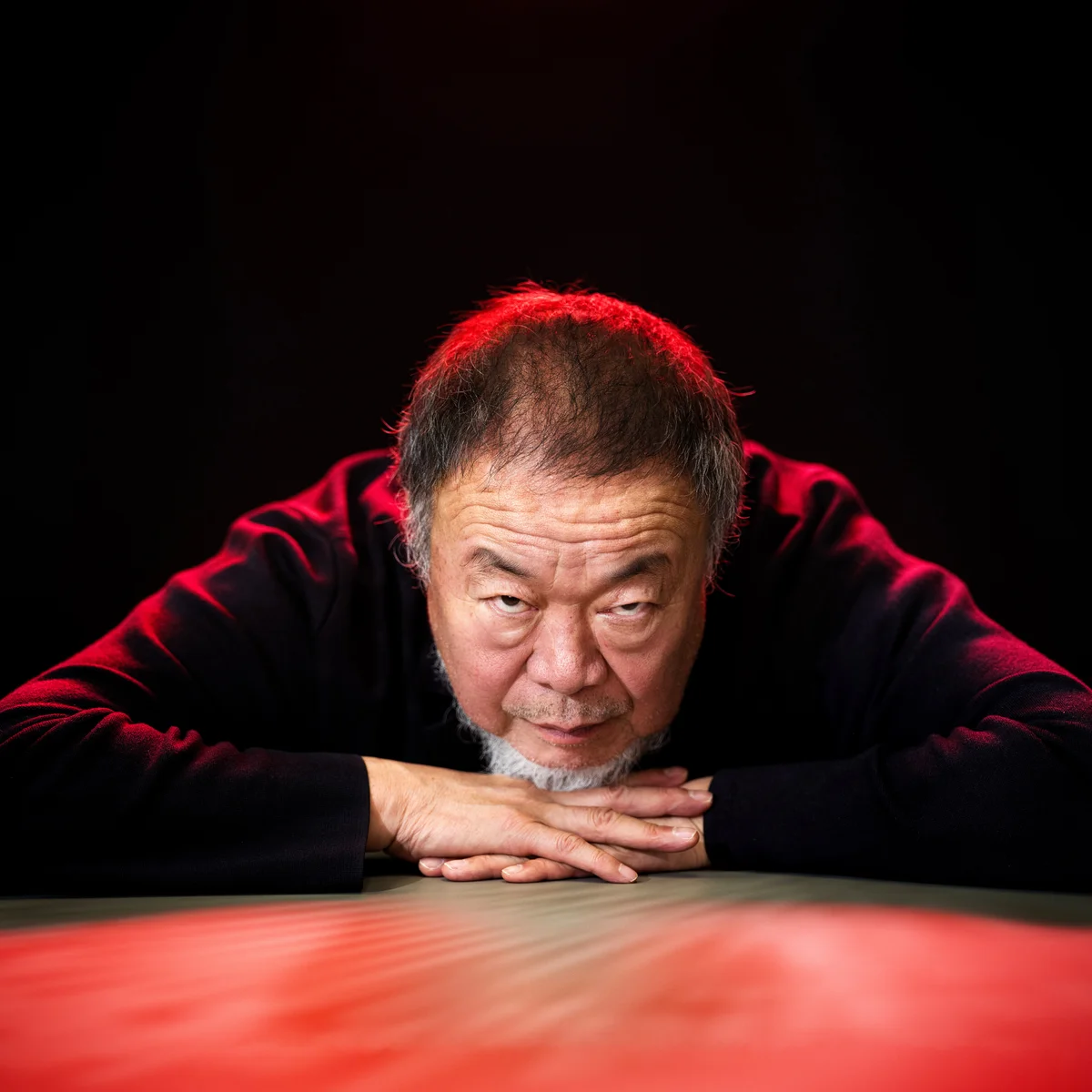
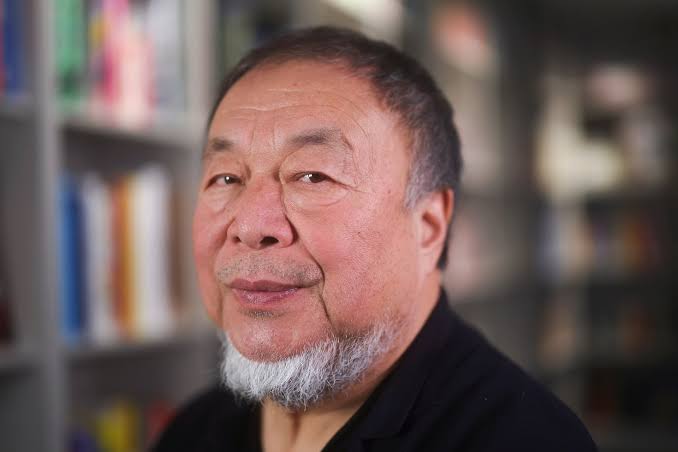
Ai Weiwei (China)
He is one of China’s most prominent contemporary artists and activists, and is
world-renowned for his vocal criticism of the Chinese government’s stance on
democracy and human rights. Some of his works that tackled politics:
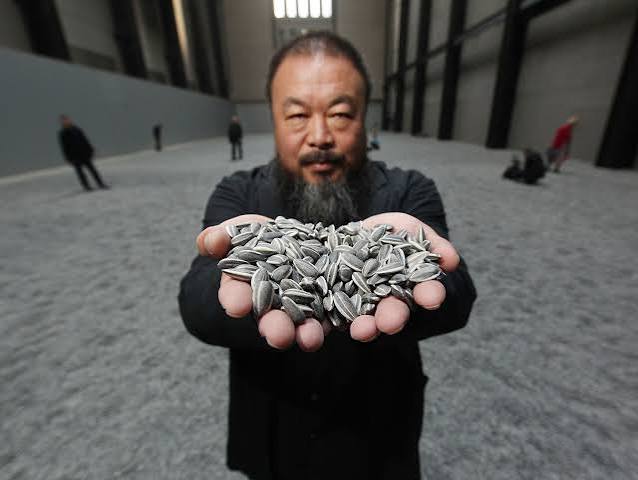
- Sunflower Seeds (2010):
It is a 100 million hand-painted porcelain “Sunflower seeds” that
covered the entire floor of the Tate Modern Turbine Hall in London; each
of these seeds was individually handcrafted by artisans. Visitors were
encouraged to walk across the installation. These seeds are products of
hours of hard work and detailed craftsmanship by skilled artisans, and
they challenge the idea of the Chinese public as a faceless,
mass-produced collective. The project also functions as a critique of
modern labor, by using traditional imperial techniques to create a
common seed, they mock the global view of China as a source of cheap,
disposable goods.
This carries a profound political message regarding the
individual versus the collective. In China's history, the work subverts
Cultural Revolution propaganda, which often depicted Chairman Mao
as the sun and the Chinese people as sunflowers turning toward him.
By inviting the audience to see these seeds as separate, handcrafted
objects, Ai Weiwei restores the “individuality” of the Chinese citizens
who are often viewed by the world and their own government as an
undifferentiated, obedient mass (Tate Modern Exhibition, 2010).
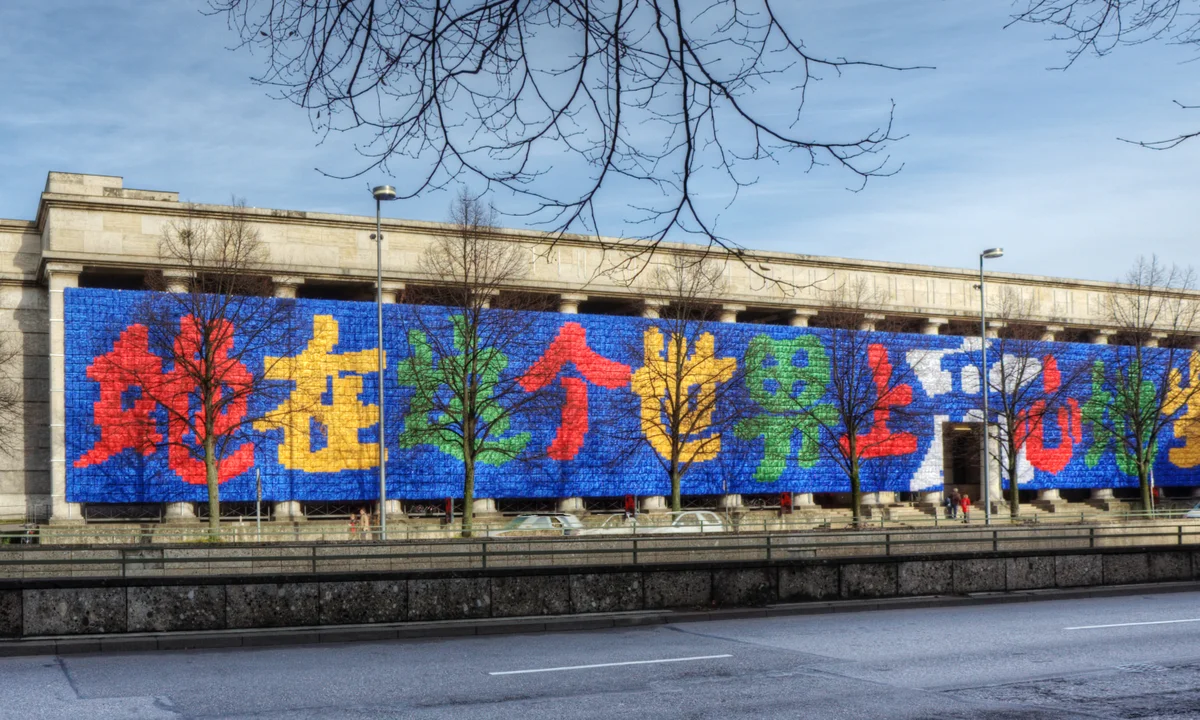
- Remember (2009):
This is also a public art installation that was made of 9,000 colorful
school backpacks on a museum wall. At first glance, everyone would be
in awe of the work. But, behind that art lies a deep story. This art
installation is to honor the thousands of children who died in the
Sichuan earthquake. According to Weiwie (2018), the Chinese
government censored and controlled all of the information about the
earthquake, so people barely knew about the tragedy.
Furthermore, the installation is a critique of institutional transparency
and freedom of speech. By placing the names and the scale of the
tragedy on the global stage, Ai Weiwei bypassed domestic censorship to
demand justice internationally. This project was politically threatened
when Ai Weiwei was physically assaulted by Chinese police during his
investigation, leading to a life-threatening brain hemorrhage. This work
is far more than an aesthetic piece; it is a “social sculpture” that maps
the dangerous struggle of a creator standing up to an authoritarian
power. It stands as a powerful reminder that keeping up the truth alive
is a political act in a society that demands its citizens stay silent and
move on.
Banksy (UK)
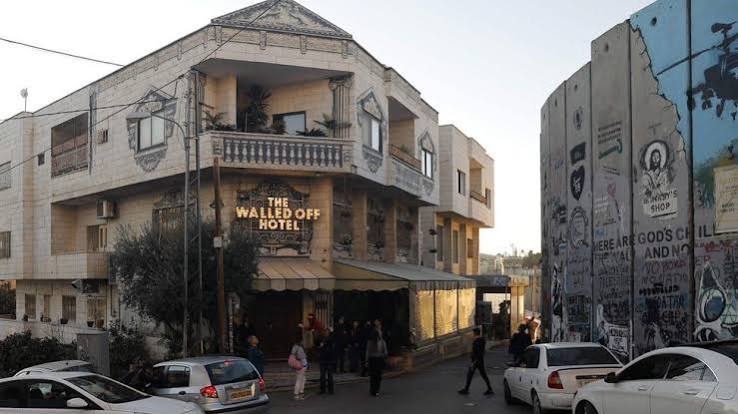
- The Walled Off Hotel (2017):
This is done in Bethlehem, Palestine, which is an art installation and
functional hotel situated directly against the Israeli West Bank barrier
to provide guests with the “worst view in the world.” It serves as a
profound political instrument by forcing visitors to confront the daily
reality of military occupation.
This project is political as the researcher aims to see and feel what life
is like outside one’s comfort zone. Inside, the art mocks the
government's surveillance and highlights how old laws have caused the
problems in the region today.
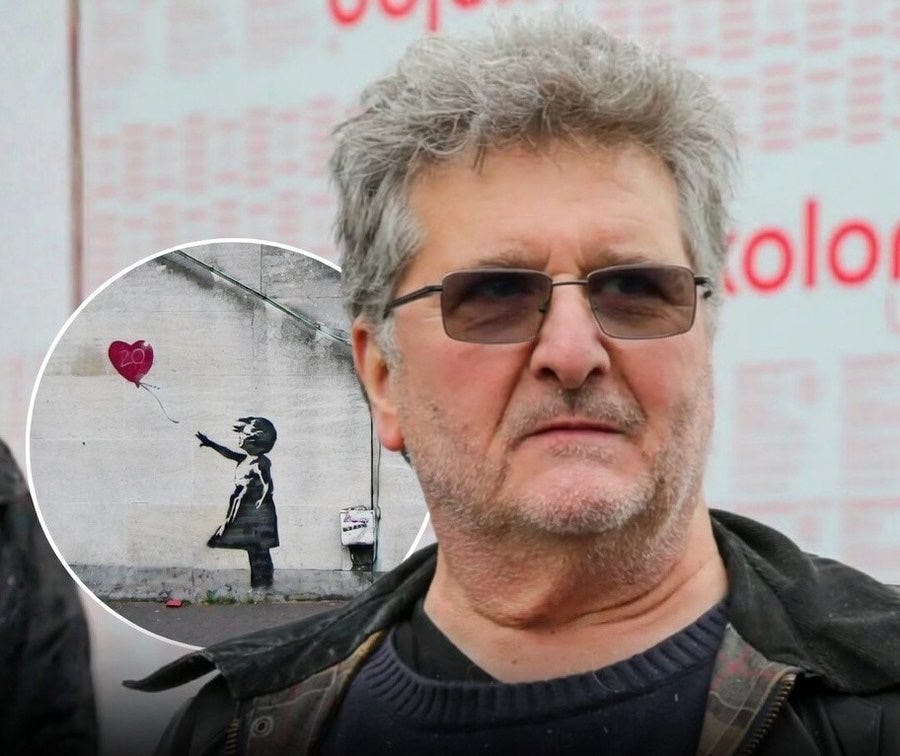
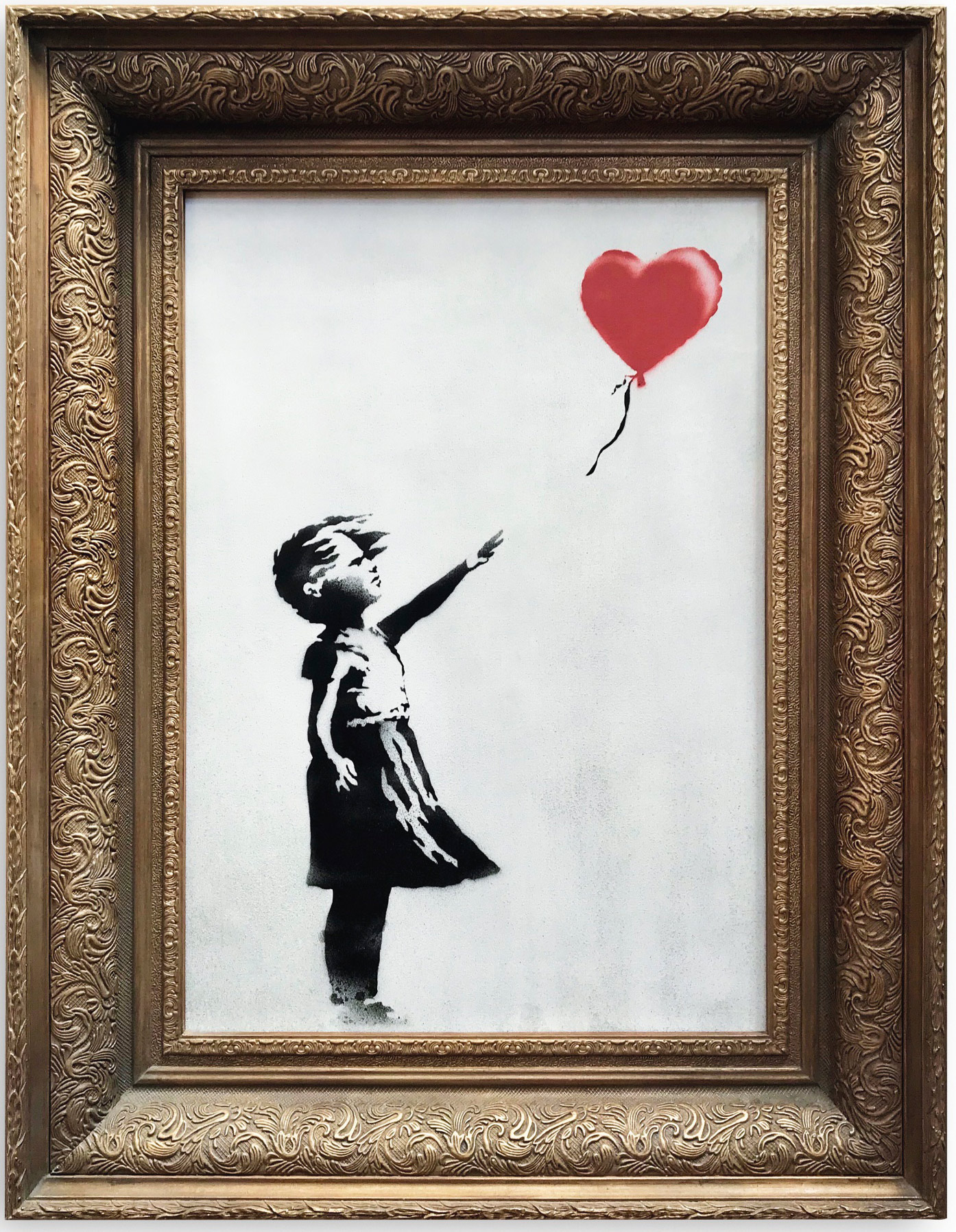
- Sotheby’s:
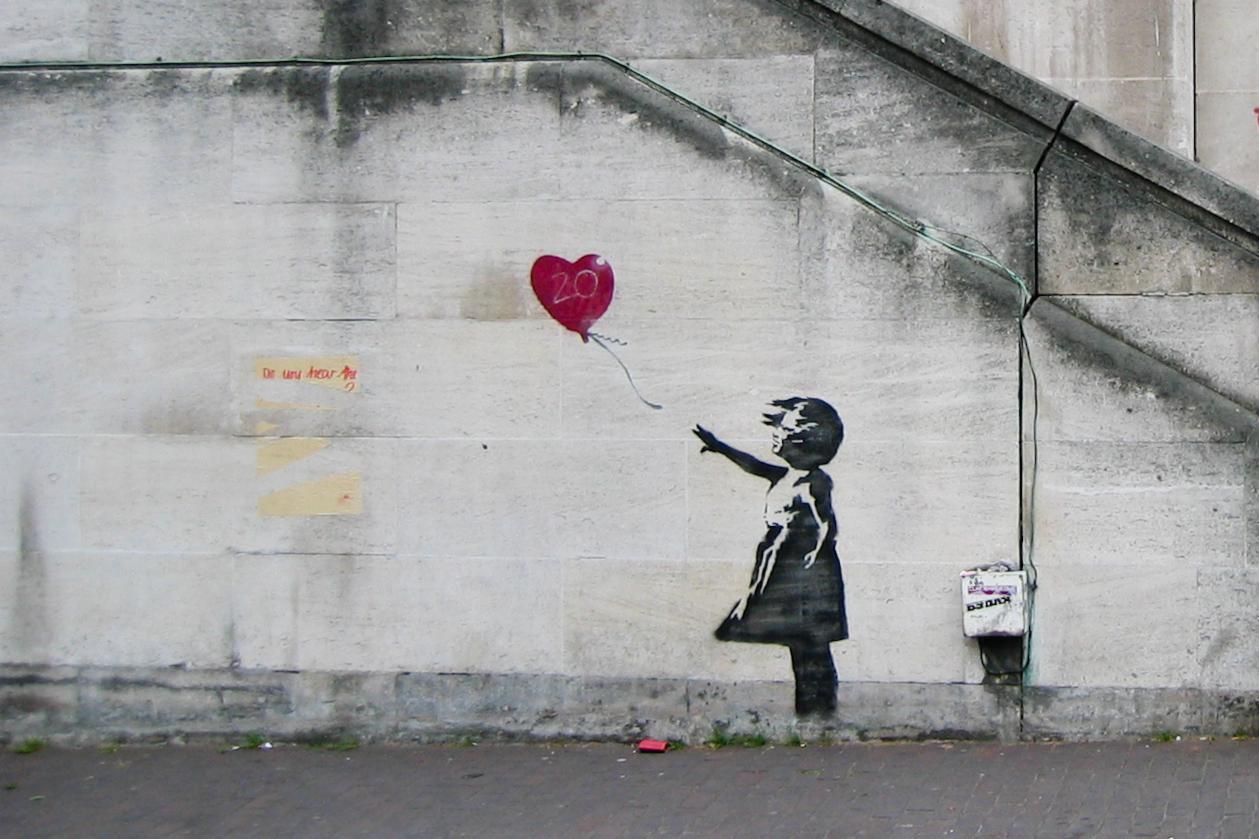
Sotheby's is a famous auction house where Banksy’s painting, Girl with
Balloon, would shred itself the moment it was sold for a million dollars.
This stunt was a political prank performed by Banksy, and it is really
exciting to try on Scratch.
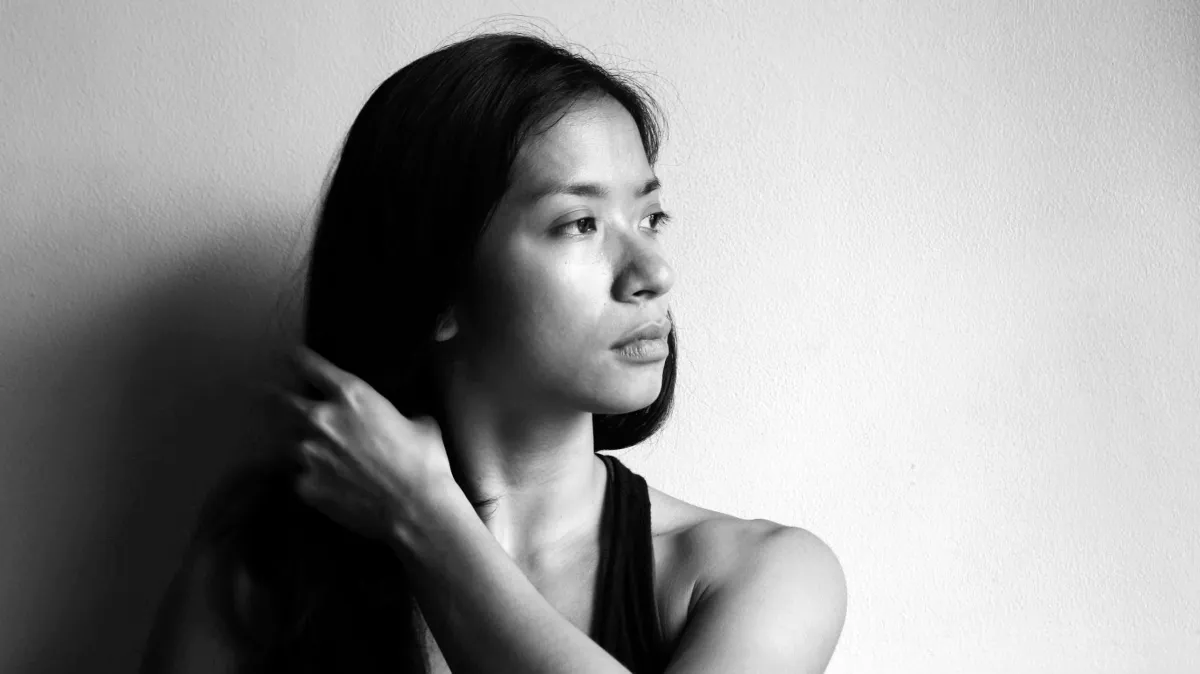
Eisa Jocson
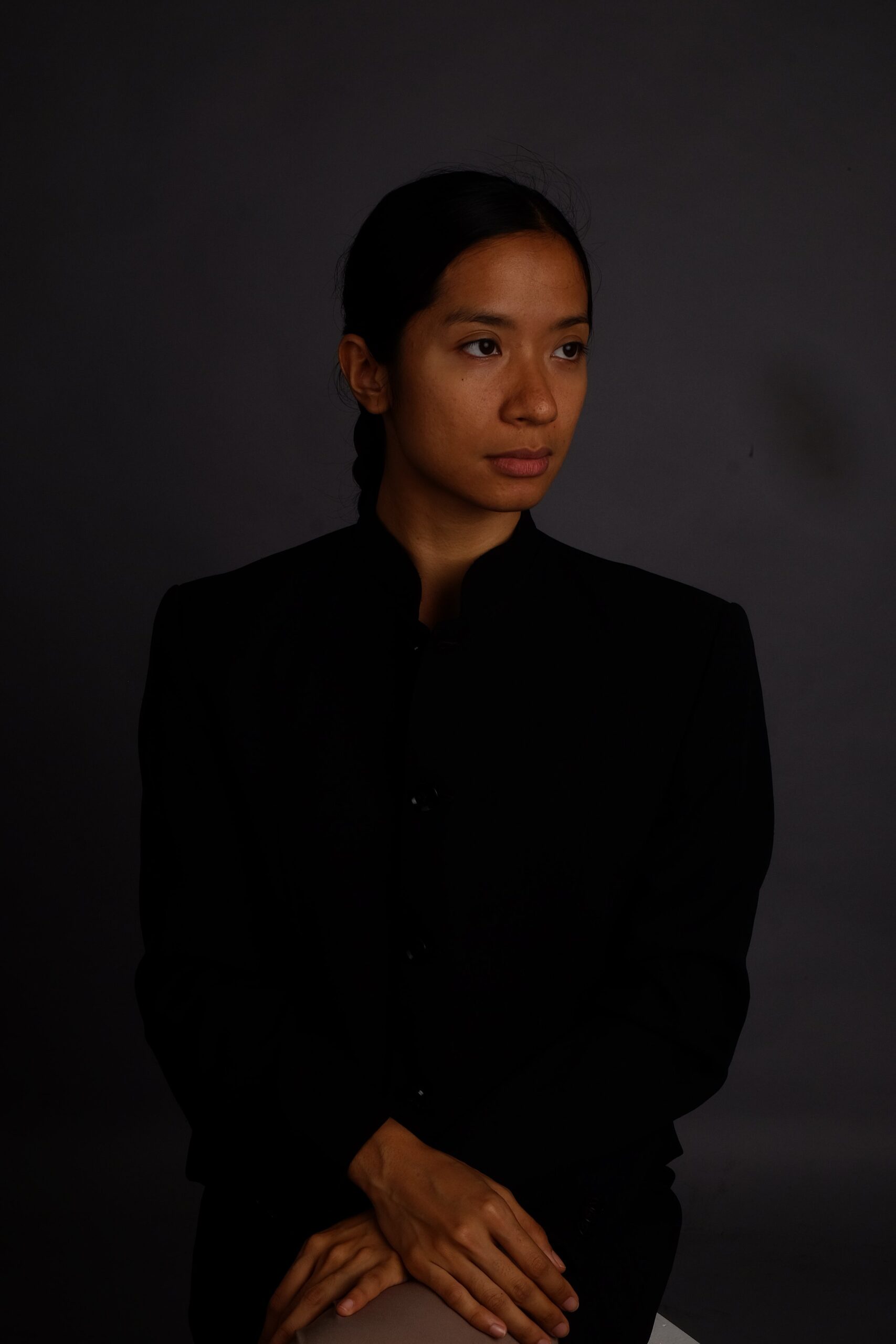
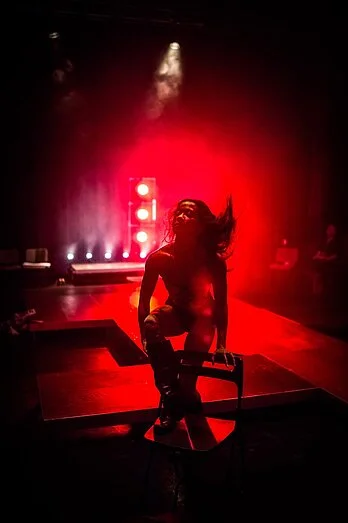
Eisa Jocson, a Filipino contemporary choreographer, dancer, and interdisciplinary artist, investigates the politics of the body, specifically in regard to labor, gender, migration, and capitalism. She started out in the visual arts and ballet, but eventually moved into contemporary dance and began exploring the ways in which Filipino bodies are formed in the service sector and the entertainment industry through her practice as a dancer. Jocson does not tell political messages but rather makes them known through movement and choreography in relation to the social and economic systems involved in common forms of labour and performance.
Some of her projects include:
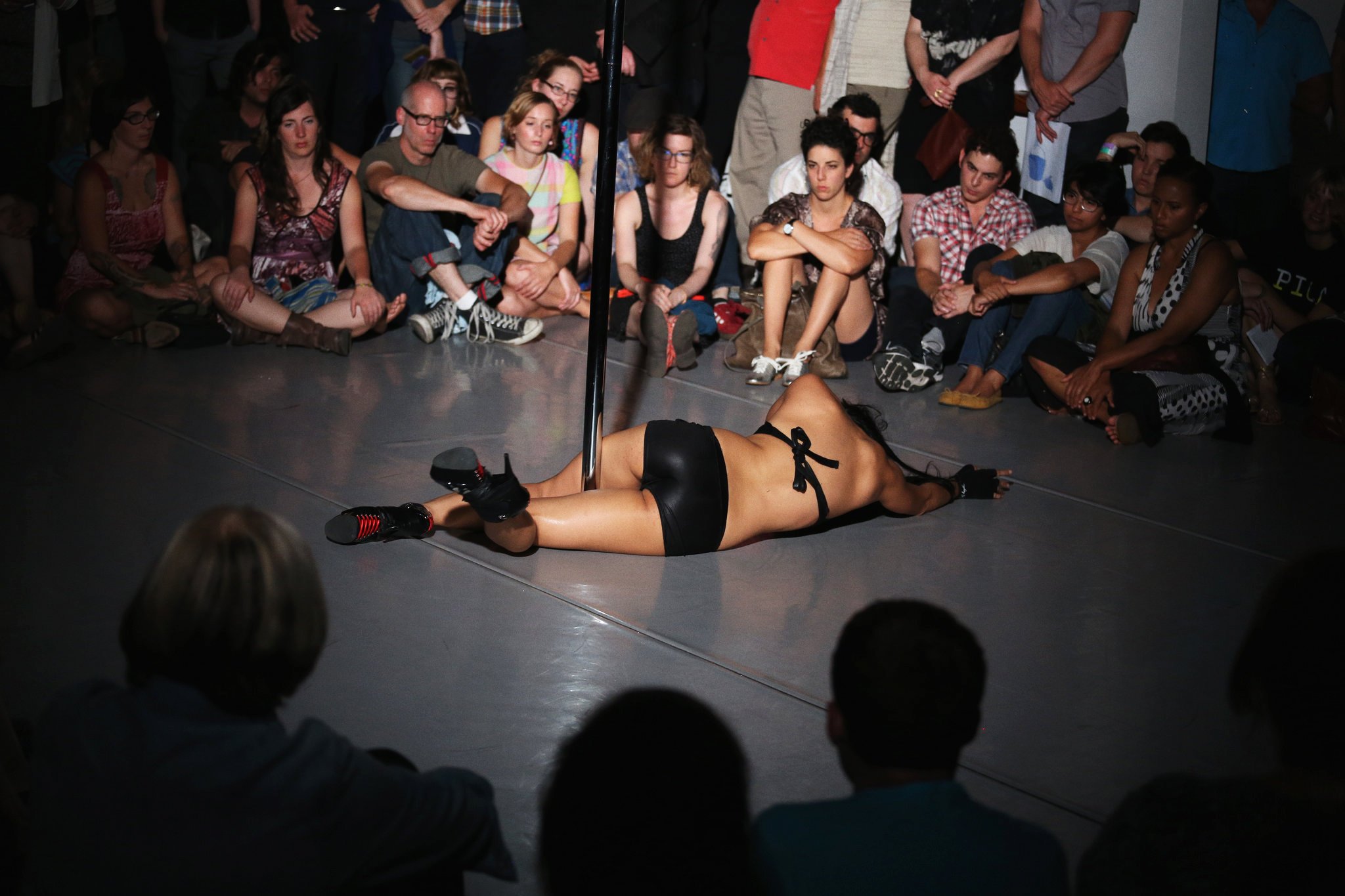
Death of the Pole Dancer (2011)
This is Jocson's first solo major performance that explores the sexualisation and commodification of women's bodies through pole dancing. It poses the question of what a space for entertainment does to the view and valuation of the female body.
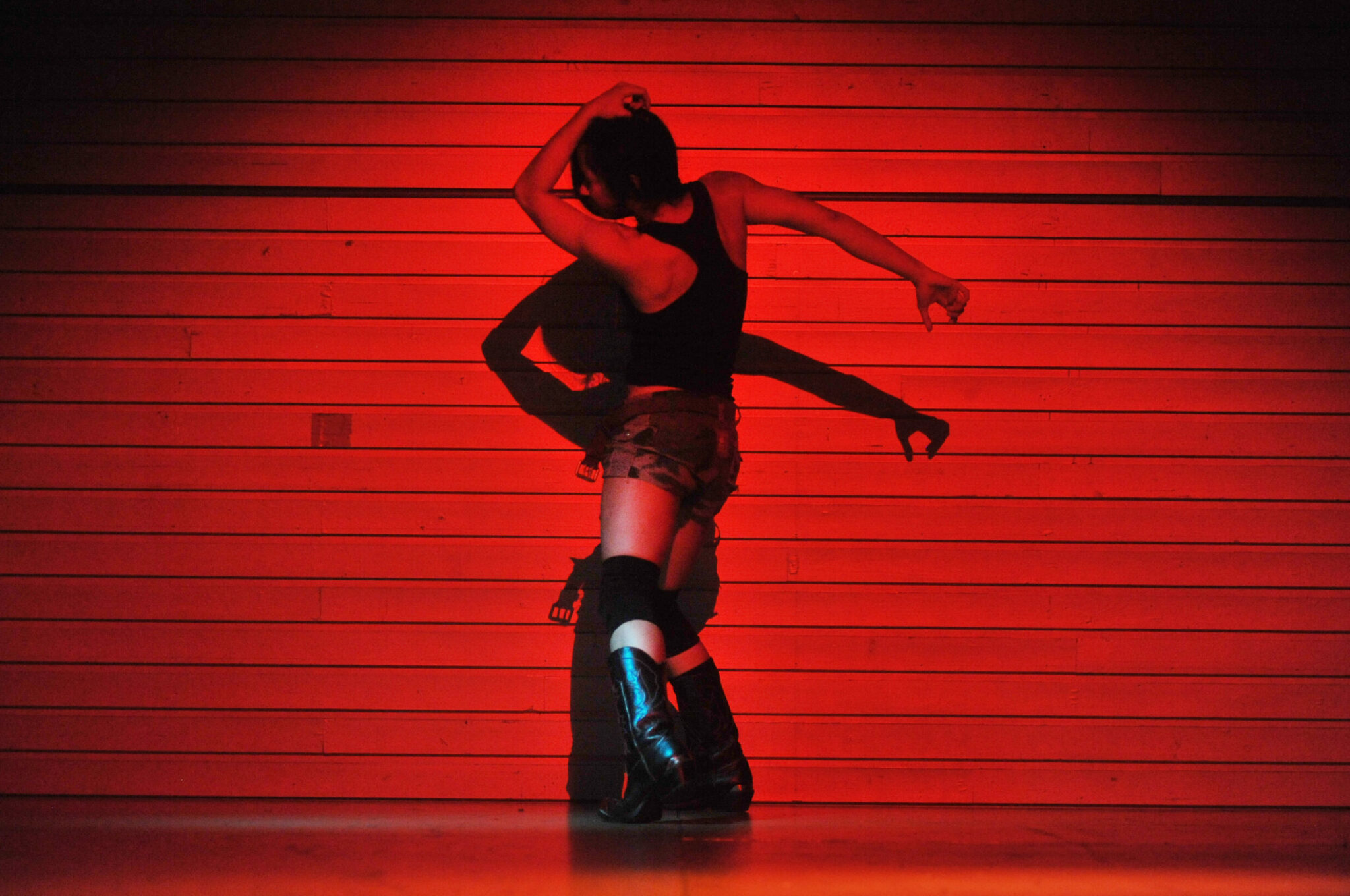
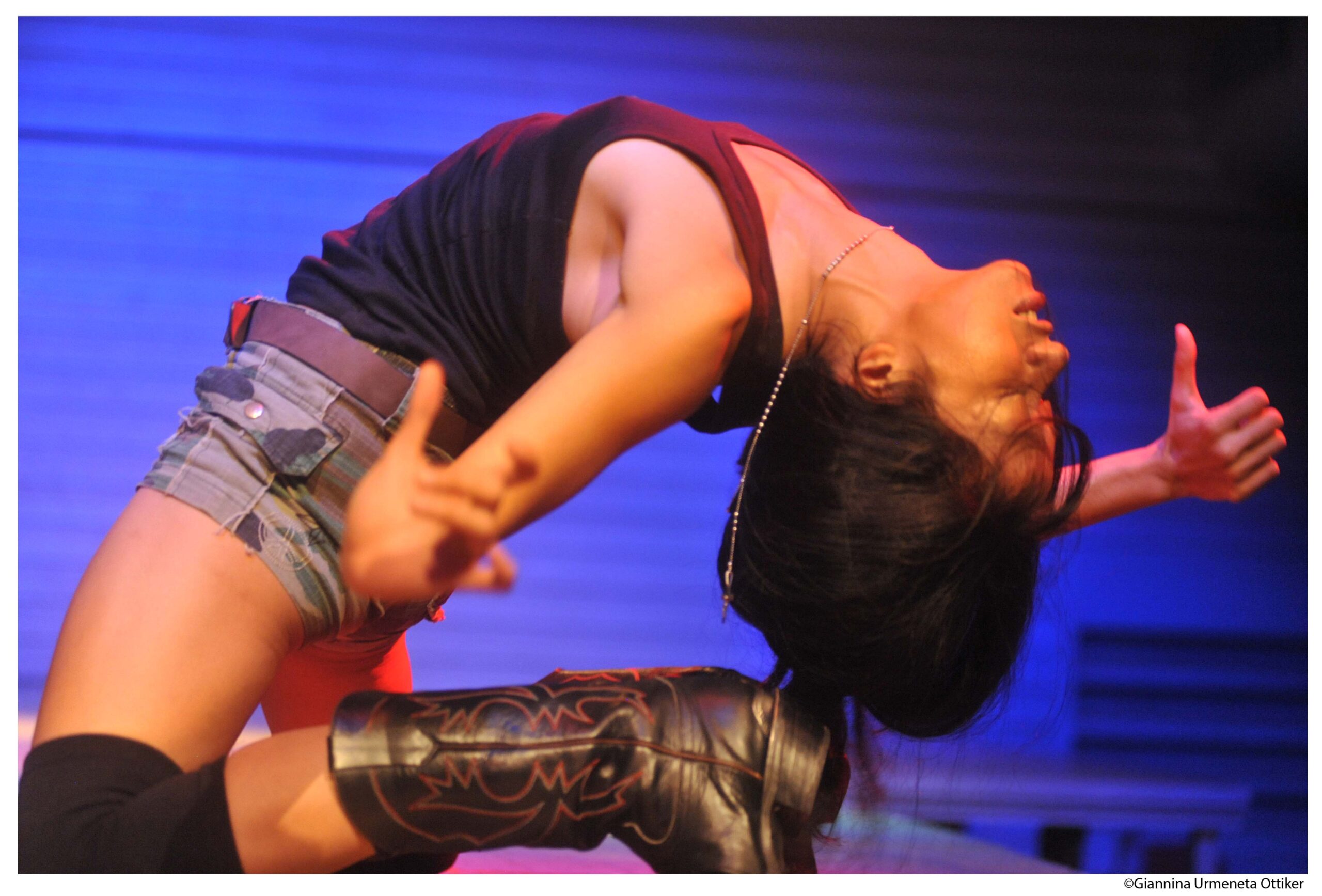
Macho Dancer (2013)
Machochronarya, or Macho Dancer, is one of her most celebrated works, which she inspired from the world of Filipino night club performers. Jocson's performance of a male role disrupts conventional notions of masculinity, gender and sexuality, asserting the body as a working tool in the entertainment industry.
Philippine Macho Academy (2014)
Building upon Macho Dancer, the piece looks at what it means to be a man as a socially learned and performed behavior. It examines the socialisation of gender roles as it is shaped and maintained in the culture.
Host (2015)
Host is her early trilogy's last installment, which revolves around emotional and service work. It explores the expectations imposed on the employee of a job that involves working with hospitality, friendliness and care and how these experiences are linked to the experiences of many Filipino service and migrant workers.
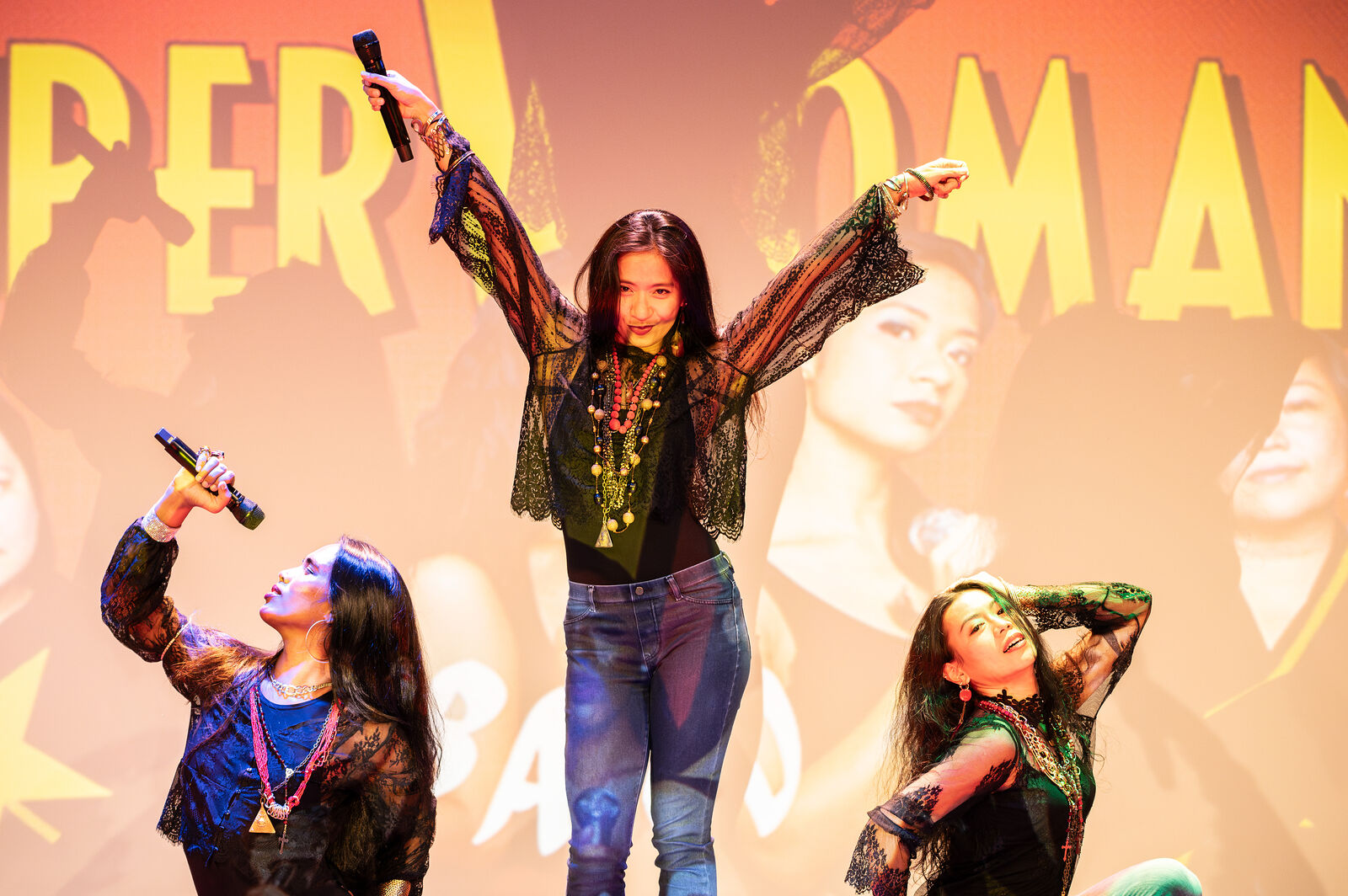
The Filipino Super Woman Band (2019)
This performance is about Overseas Filipino Workers (OFWs), specifically Filipino musicians in the overseas. Filled with live music and choreography, Jocson delves into the expectations imposed on migrant workers as they are expected to perform and provide continuously, thus touching on issues related to migration, women's work and the international export of Filipino talent.