How young should students be to be able to know about politics? How
young should they be aware of what is happening to the government of the
country in which they were born? Older generations would call us out for
always being on our phones, even though one way we learn about society is by
being on them.
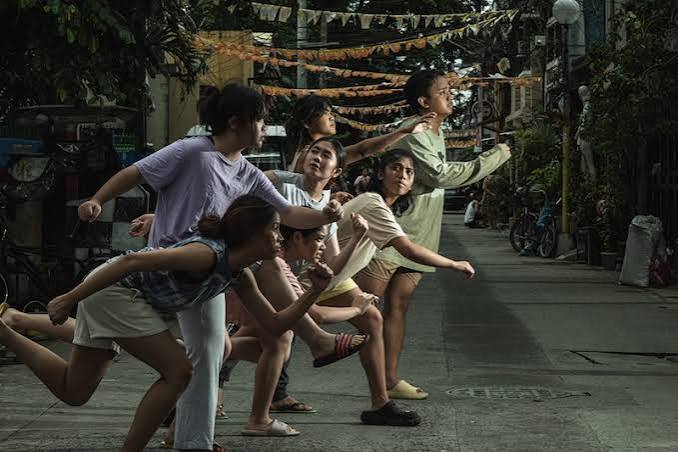
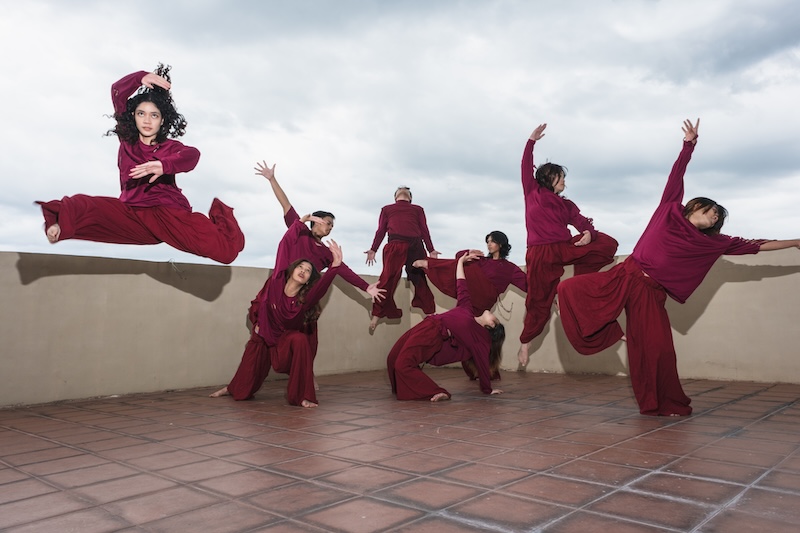
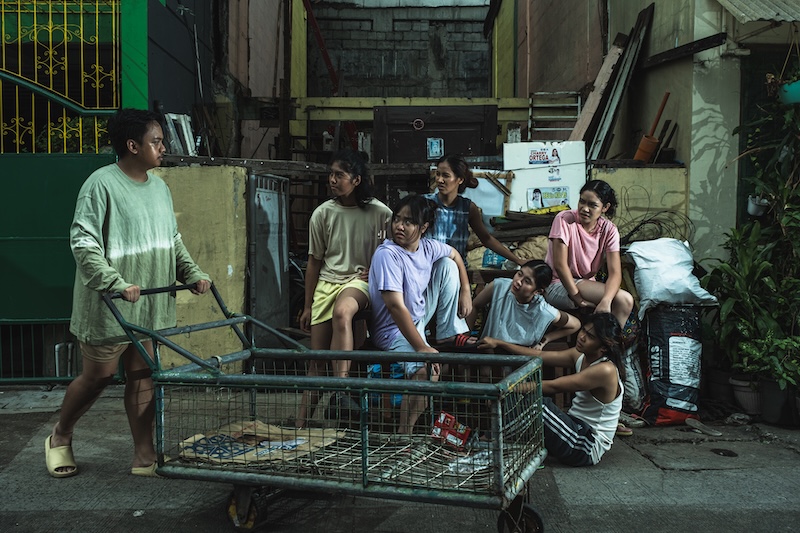
Directed by Lorayne Toldedo, co-directed by Jaybee Larioza under the
mentorship of Mycs Villoso, Benidled Dance coach and artistic director of De La
Salle University - Manila Dance Company. Featured performances by Bachelor
of Arts in Performance Major in Dance program (BPAD) Dance majors Kula
Enano, Angela Doloroso, Krisalyn Llemit, Justine Ausan, and James Velasques
(Villanueva, 2025).
They are a group of graduating dance students from De La Salle -
College of Saint Benilde who performed at their campus on August 15 and 16
last year. Its themes presented social injustices during the Martial Law era,
which was a research-driven production by the students. The drama is entitled
“Alimuom sa Takip-Silim.” The show focuses on choreography informed by
data gathered from historians and sociologists. Their four-act drama,
according to the statement they gave to Villanueva, aims to create a necessary
tension between what we think we know and the actual truth of the past. By
using dance to challenge “official” narratives and empower silenced
perspectives, the performance goes beyond simply showing the truth as it
actively rewrites the story from a different perspective, the marginalized, to
ensure their experiences and sufferings are recognized.
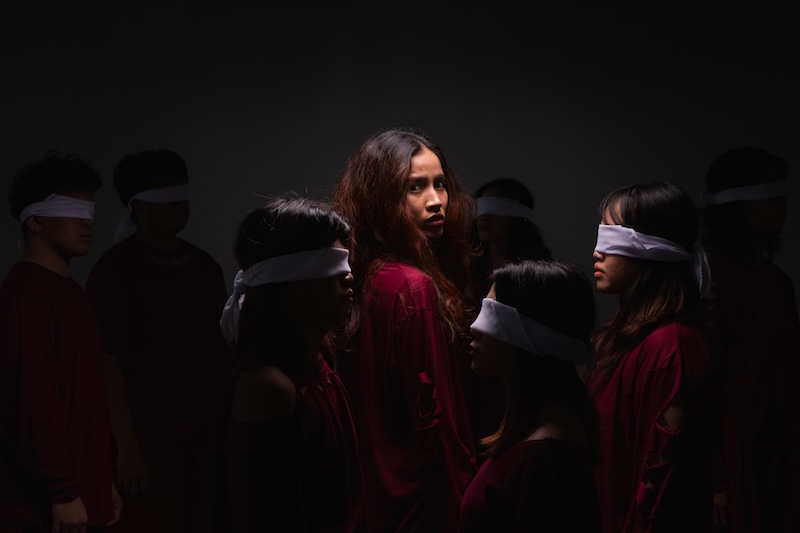
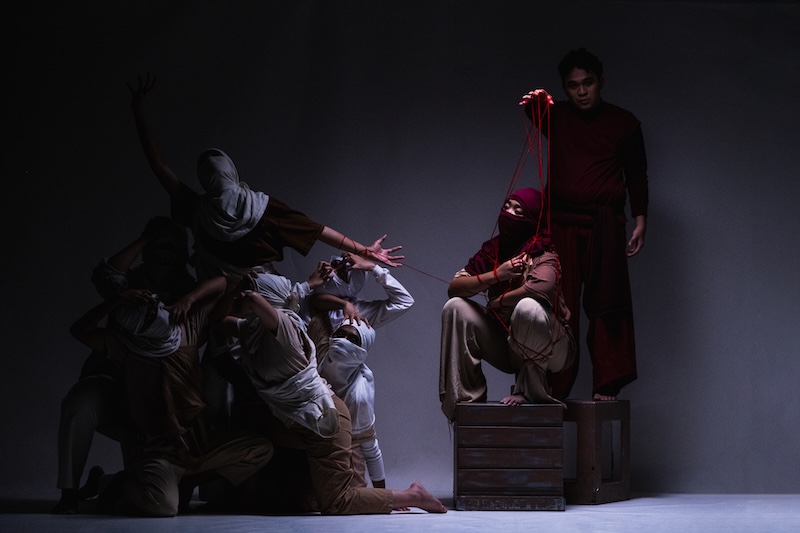
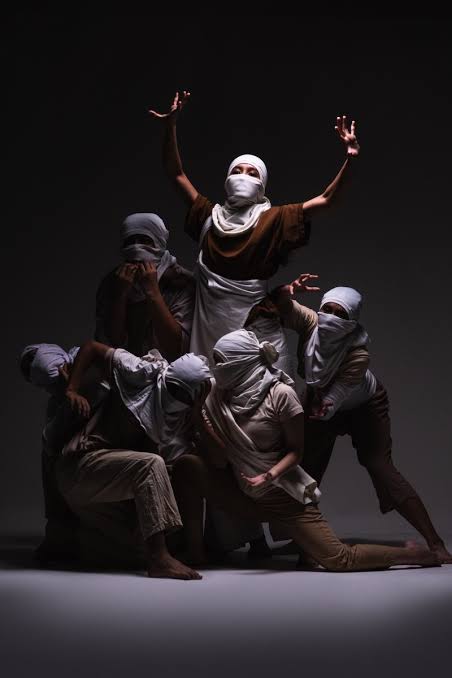
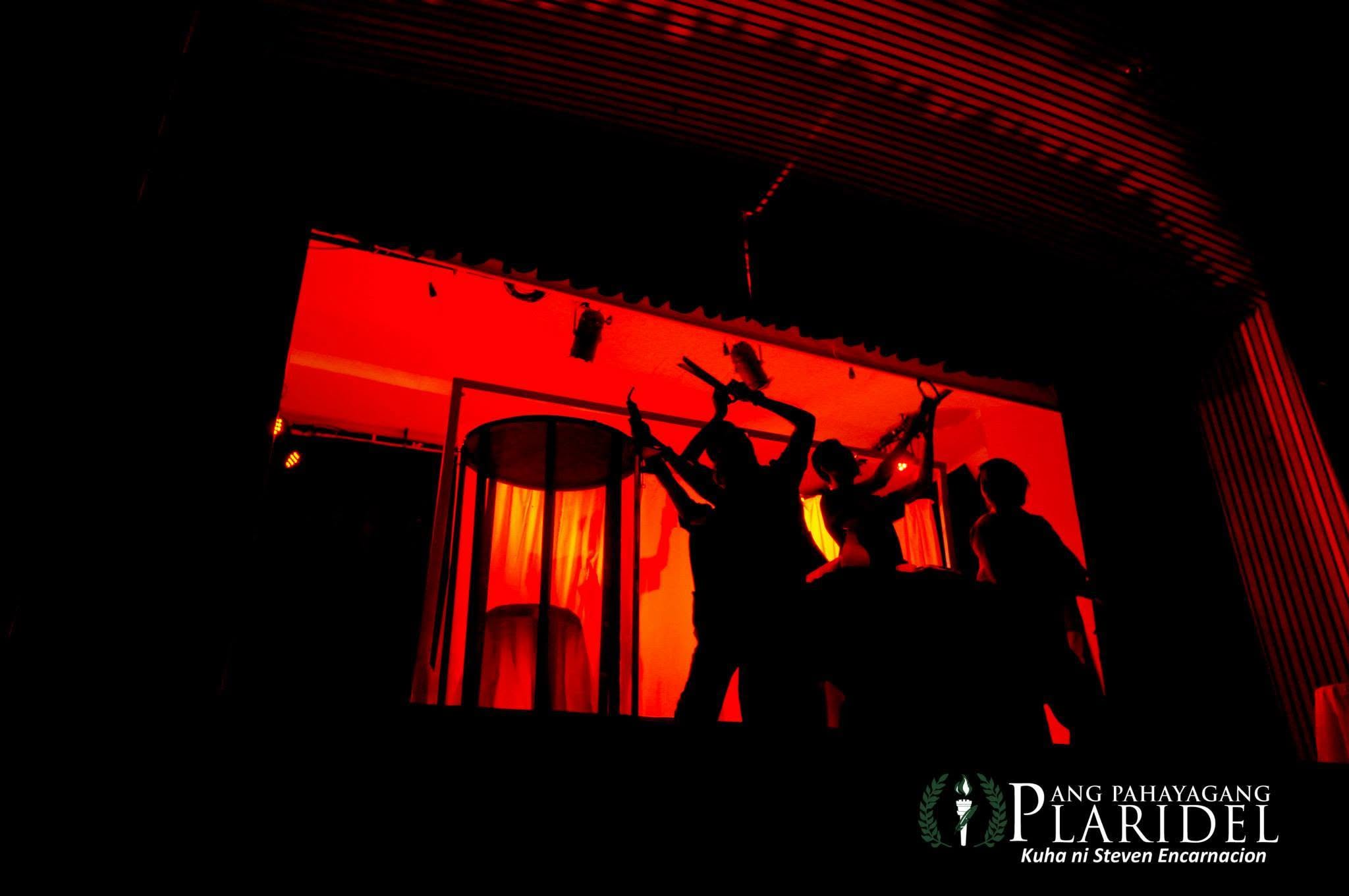
The dancers use the stage to explore themes of memory,
disappearance, and the fog of historical revisionism. Movements are fluid yet
painful, as they utilize shadows with dim lighting to mimic the atmosphere of
“takip-silim.”
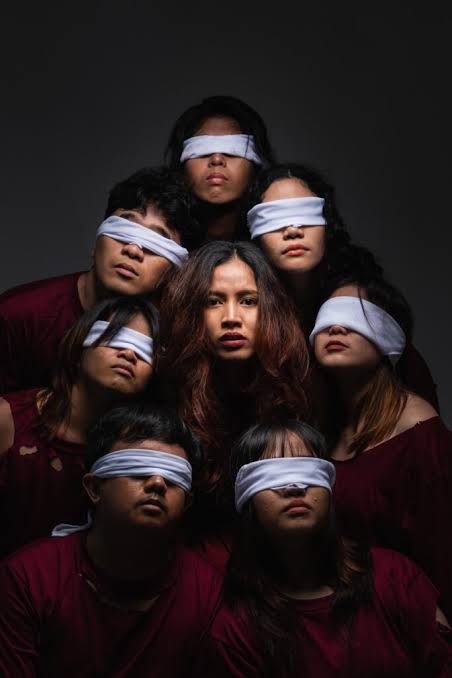
The performance is profoundly political as it serves as a “radical
reclamation of space and narrative. It tackles issues of Desaparecidos and the
victims of human rights violations during the dark history of the Philippines.
The students use their bodies to tell narratives of the unheard, making them
known to people and amplifying these voices. Rather than being silenced, as in
the past, they shed light on history and confronted the nation's unresolved
traumas.
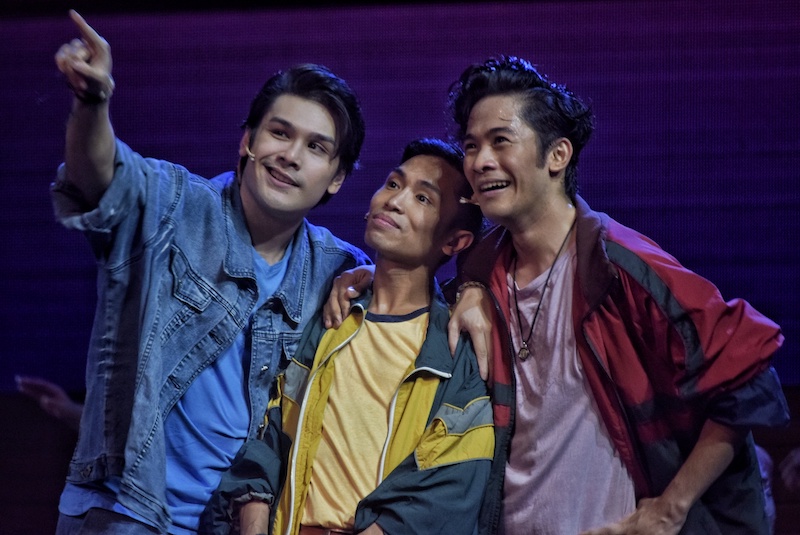
Ang Huling El Bimbo (AHEB) is an acclaimed Filipino jukebox musical
produced by Full Theater Company. It is a story of friendship told through the
songs of the most iconic Pinoy rock band from the 90s, Eraserheads. The main characters are Joy, Hector, Emman, and Anthony, while supporting
characters are Tiya Dela and Arturo Banloi. The story is told across two
timelines: their college years and their present lives. Directed by Dexter Santos
and written by Dingdon Novenario, it was performed at the Newport Performing
Arts Theater.
Joy, Hector, Emman, and Anthony are four college students who became
good friends until one night changed everything they had built, making it hard
to restore their friendship. The music utilizes over 40 Eraserheads tracks,
reimagined to fit a dramatic narrative. Notable songs include “Minsan,” which
captures the bittersweet nature of their college friendship; “Pare Ko” is used to
depict their ROTC training and what was happening with their personal life;
and “Alapaap,” which captures the reckless decisions they have made during
their youth. Other tracks, such as “With a Smile,” “Magasin,” “Shirley,” and
“Tikman,” explore themes of fame, longing, and domestic life.
After the one night when tragedy happened, the 3 boys distanced themselves
from Joy because they weren’t able to help Joy, which they felt guilty about. Yet,
despite the treatment they gave to Joy, she still went to their graduation, as she
couldn’t graduate on time, since she isn’t well off. Heavy tracks such as “Spoliarium”
are among the political songs in the musical, as they are used to critique the
silencing of victims and the distortion of truth. Here are the following verses that
represent underlying themes of politics:
- “Dumidilim ang paligid/May tumatawag sa pangalan ko”: represents the loss of
hope and the “darkness” of the world that Joy is trapped in, as she is poor,
which means that she won’t be able to graduate on time with her friends. In
addition, she couldn’t escape what happened that night, meaning her path
darkened, and calling the name means the haunting trauma never left.
- “Gising na, para bang napanaginipan/At tayo’y nakahiga sa madilim na kalsada”
defines the “coldness” of society, both literally and figuratively. It also
showcases how the marginalized (Joy) is left on the street, while the wealthy
people (Hector, Emman, and Anthony) are sound asleep; meanwhile, the
vulnerable are left exposed on the cold, dark streets of society.
- “Umiyak ang umaga/Anong sinulat ni Enteng at ni Joey diyan”: this part, it
symbolizes the “reports” controlled by the powerful. This is present after Joy
got raped, resulting in the question “who writes the history?” In Joy’s case, her
story was erased and forgotten, but rewritten by her abusers to make her look
like the criminal.
Act 1 finale is the incident, and it transitions from the nostalgic “Ang Huling El
Bimbo” dance to the brutal assault of Joy. During this scene, despite all four friends
being present, the three male friends celebrate their graduation by journeying and
singing the track “Ang Huling El Bimbo,” a song about nostalgia and innocence.
However, happiness took a brutal turn: as the boys sang about their bright futures
and danced, they walked away to fix their broken car, leaving Joy alone. While the boys
are having fun and excitedly singing the track, Joy is intercepted and assaulted by
Arturo Balaoi's men. This act is political because it visualizes the betrayal of the
vulnerable by the middle class; the boys’ literal “walking away” from Joy mirrors a
society that chooses to look the other way when the poor are exploited. In addition,
Banlaoi represents the state/authority, meaning he is supposed to protect people
from harm, yet he orchestrates the tragedy that befell Joy. This is a heavy political
statement on state-sponsored abuse.
This musical is deeply political because it is more than a story of friendship; it
becomes a critique of Philippine society. Starting with systemic oppression, it shows
how the poor or marginalized are crushed by a system that favors the powerful. Joy,
who is a bright student, helps her tiyang in her calinderia and became a victim of
human trafficking until she sold drugs for his tiyo because Joy is scared of him as he
is authoritative. Followed by gender-based violence, tackling the culture of
victim-blaming. When Joy was assaulted, the three men who she thought were her
friends left her because they felt ashamed to be associated with her, discouraging Joy
from going to the authorities. Next, apathy of the middle class, when the three male
characters chose not to help Joy when they were younger after she was assaulted, they
had developed a guilt for 20 years. This is a commentary on the collective guilt of a
society that allows such things to happen. This clearly shows that “Na sa huli ang
pagsisisi” because after 20 years, they only realized that they could have gone to the
authorities and helped Joy. Lastly, which remains prominent in modern society, is
“corruption of authority”: the higher-ups or authorities abuse their power to
exploit the weak while maintaining a beautiful public image
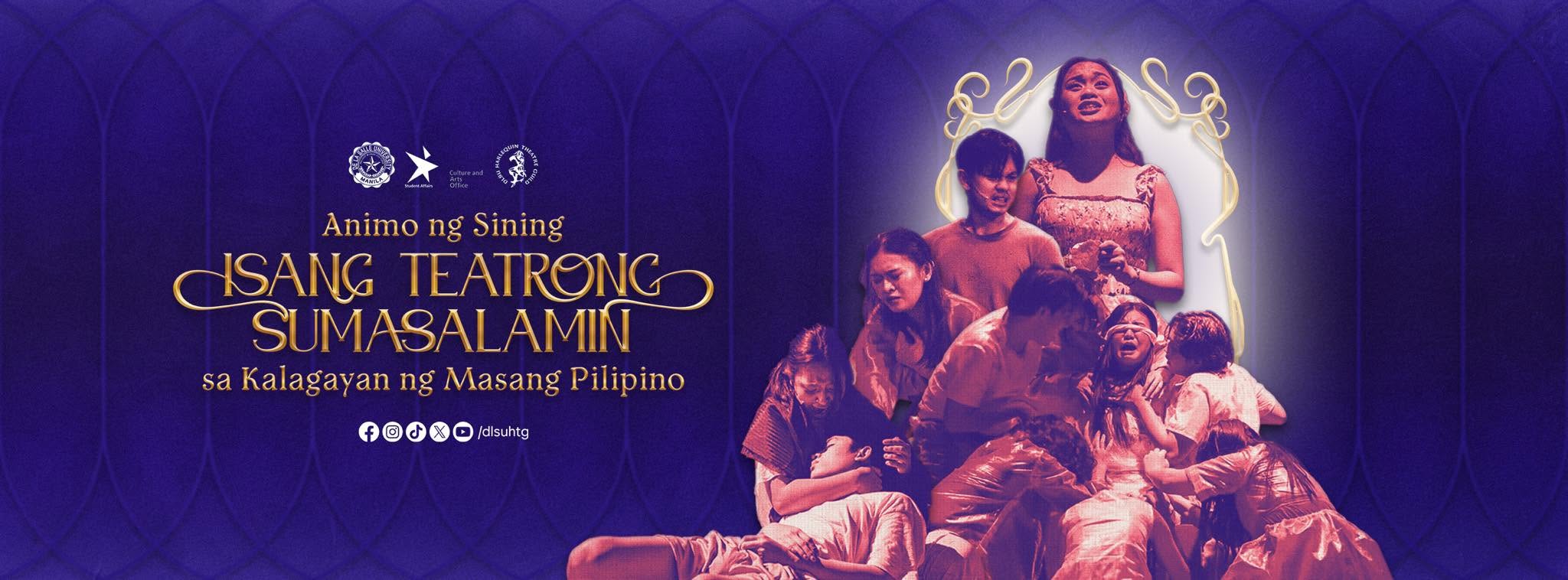
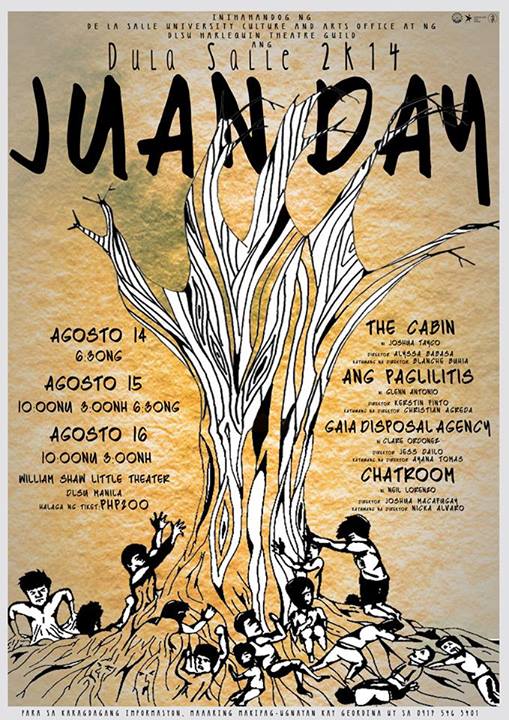
The DLSU Harlequin Theatre Guild, in its 48th season, invited the world to experience a groundbreaking theatrical event titled "DuLa Salle 2K14: Juan Day" with a theme on climate change. Two films were produced: four short plays written and directed by members of the Guild, one using a surrealist approach to examine the impact of environmental crises on society and human relationships (WhenInManila, 2014).
The four plays offered different views of a world in turmoil as a result of environmental and social changes:
The Cabin:
Aboard a seemingly normal ship, whose requests grow increasingly weird as passengers are shown around the cabin.
Ang Paglilitis (The Interrogation):
Terra is interrogated by oppressed citizens, revealing the conflict between humanity and the forces which cause their suffering.
GAIA Disposal Agency:
Tells the story of a society suffering from pollution and low birth rates, and a nurse who has a growing worry over the future of her unborn child.
Chatroom:
A world plagued by severe cold and where people are forced to stay indoors, so online interaction becomes humans' main means of communication.
Juan Day's interwoven narratives were a vehicle for theatre to entertain, but also a way to prompt audiences to consider the issue of climate change, environmental degradation, human survival and society's duty of care to the Earth. The production was held from August 14 to 16, 2014, in the William Shaw Little Theater of De La Salle University, and some of the proceeds went to the adopted community of the Guild, Lian, Batangas (WhenInManila, 2014).
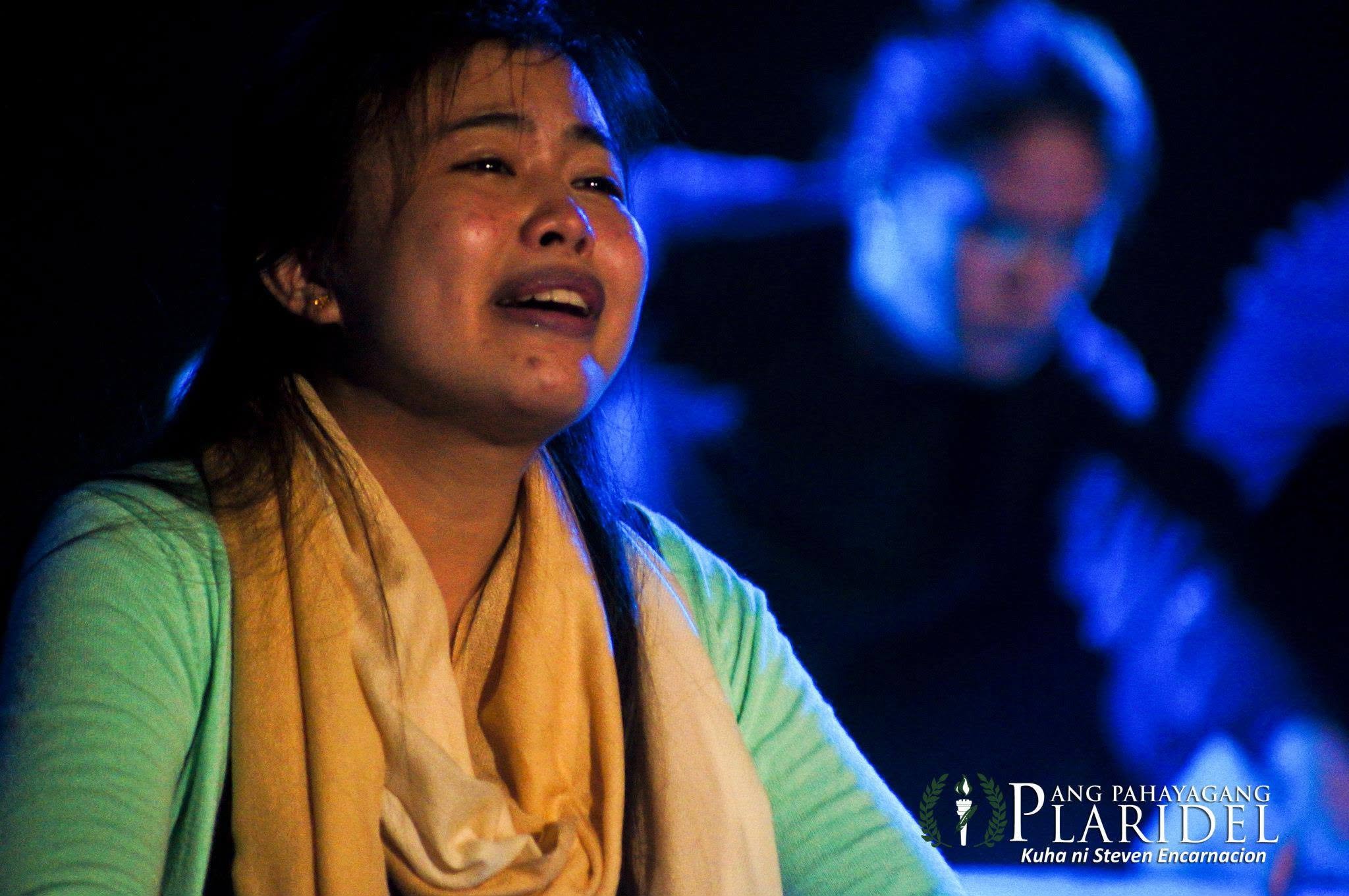
Before a performer speaks, their casting can convey political messages. The cast for a show has the potential to highlight certain identities, experiences, and social viewpoints. Historically, the arts, especially performance, have been instrumental in marginalizing voices and addressing political concerns like inequality, human rights abuses, and government repression in the Philippines (Nanawa, 2024). This is not just about a creative choice; it can be a representation. Performers who are part of a specific community or social issue may guide viewers to the experience that the production intends to reveal. Similarly, casting decisions can offer a challenge to dominant narratives and put marginalised identities at the heart of a performance.
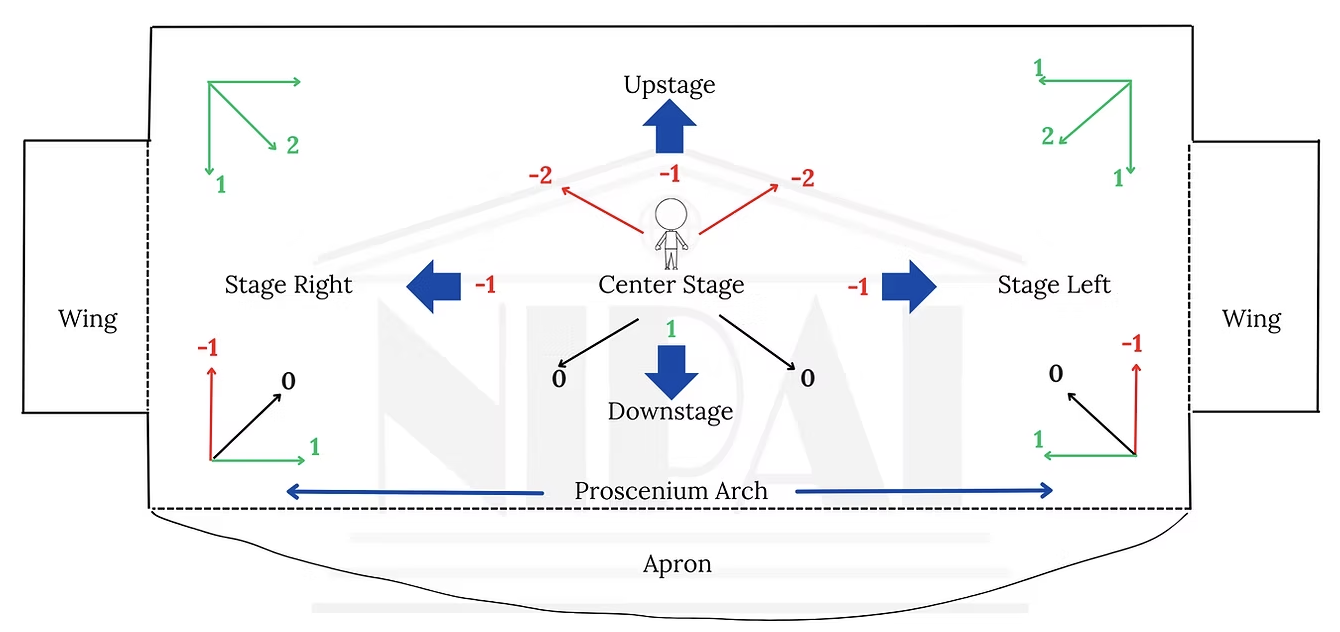
Blocking is the intentional placement, movement, direction, and relationship of performers in performance. It is not just about structuring actors in a performance, it can be used to direct the audience's gaze and to reflect relationships, conflict, vulnerability, power etc. without using dialogue alone (NIPAI, 2024).
One character can be on a high platform and the others in the lower, for instance, creating a sense of hierarchy. The same applies for a character's movement toward or away from the audience; it can serve as a cue for assertiveness or vulnerability/retreats. Positional shifts can then represent visual statements of who is in power and who is being left behind (NIPAI, 2024).
In the field of political theater, this use of space can be very effective. Rather than explaining to the audience that an individual or group is oppressed, the distance, positioning, level and movement of performers can be used to demonstrate uneven relationships.
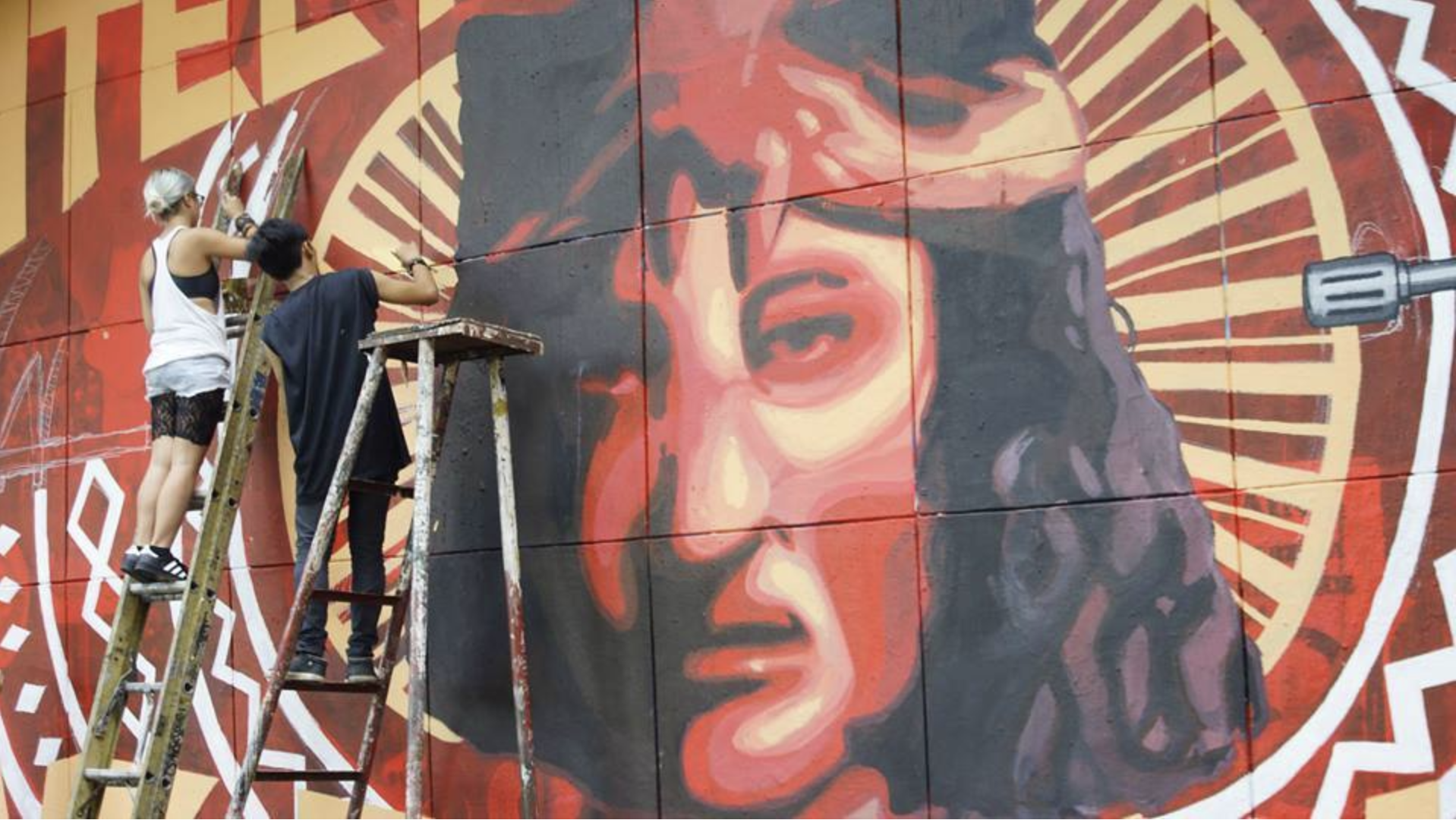
The impact of performance is evident when art directly reacts to political and social conflict. Philippine artists have a long history of using creative work as a means of resistance. Corruption, human rights abuses, social injustice, and political repression have been the subject of visual art, music, and theatre performances by artists. This can be seen in UP's activist murals. According to the University of the Philippines, these works "raise awareness of social, political, environmental, and cultural issues, as well as promote dialogue and collective action, and are considered public art. In public settings, they become part of a political discourse as they are visible (Roque, 2024).